

In the digital world, two project delivery frameworks dominate most conversations, Waterfall and Agile. Both can deliver effectively, functional websites, apps, or digital platforms and systems. But the reality for agencies is that they ask very different things of the client. Understanding those differences isn’t just a project-management exercise, it’s a predictor of how smooth (or painful) a project is going to feel.
Below is a breakdown of how each system works and what that means for the client’s time, attention, decision-making, and overall involvement.
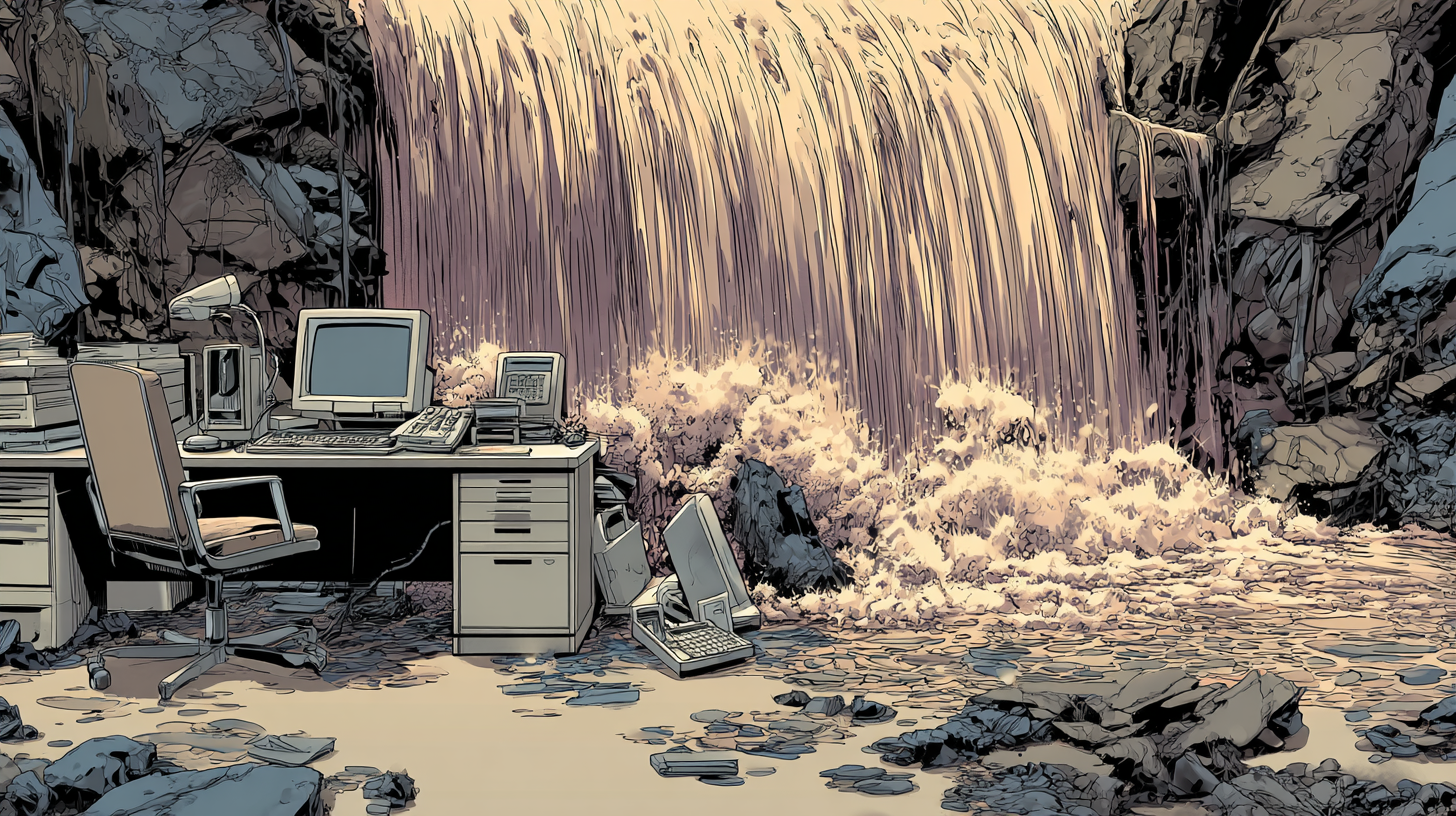
Waterfall: Front-Loaded Certainty, Low Ongoing Effort
Waterfall is linear, structured, and sequential. It moves step-by-step:
Discovery → Requirements → Design → Build → QA → Launch
How the Model Works
- All requirements are defined before design begins.
- Design is locked before development starts.
- Development is completed before QA.
Each phase must be fully signed off before the next begins.
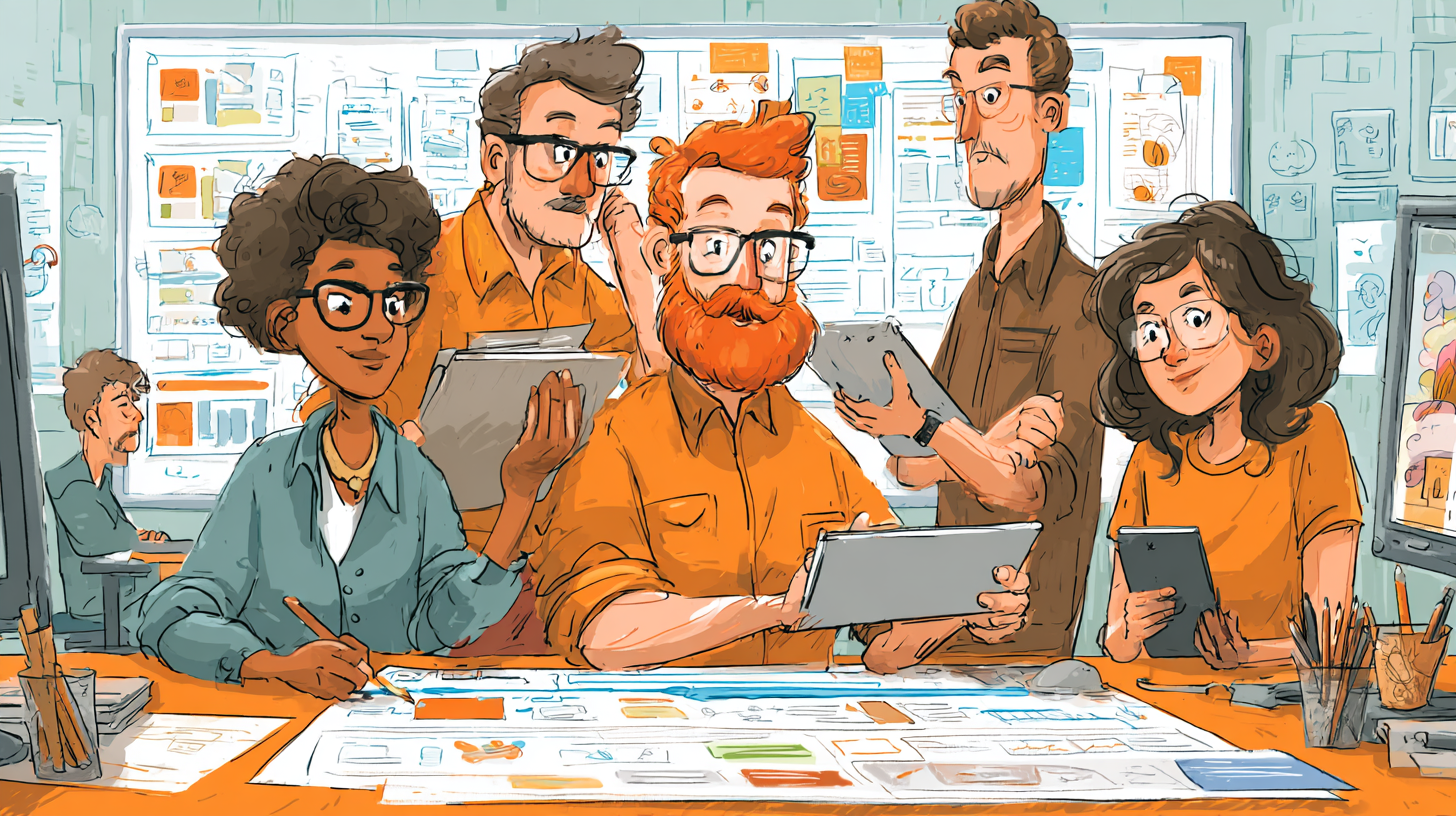
Client Level of Effort in Waterfall
Most of the client’s work is concentrated at the beginning.
This model demands heavier lift upfront, lighter involvement after.
Client responsibilities are typically:
- Deep involvement during discovery: sharing documents, goals, requirements, edge cases.
- Clear decision-making during design: because changes later are costly or disruptive.
- Providing approvals: Waterfall lives and dies by formal sign-offs.
- Minimal involvement during development: because the team builds what was already defined.
- Spot-checking during QA: mostly validation, not rethinking.
What Clients Like About Waterfall
- Predictability.
- Defined timelines and scope.
- Stability once decisions are locked.
- Less ongoing effort during build.
Where Waterfall Creates Pain
- If a client isn’t fully prepared in discovery, the entire project suffers.
- Any change after sign-off triggers cost, timeline, or scope shifts.
- It assumes clients know exactly what they want at the start—which often isn’t realistic.
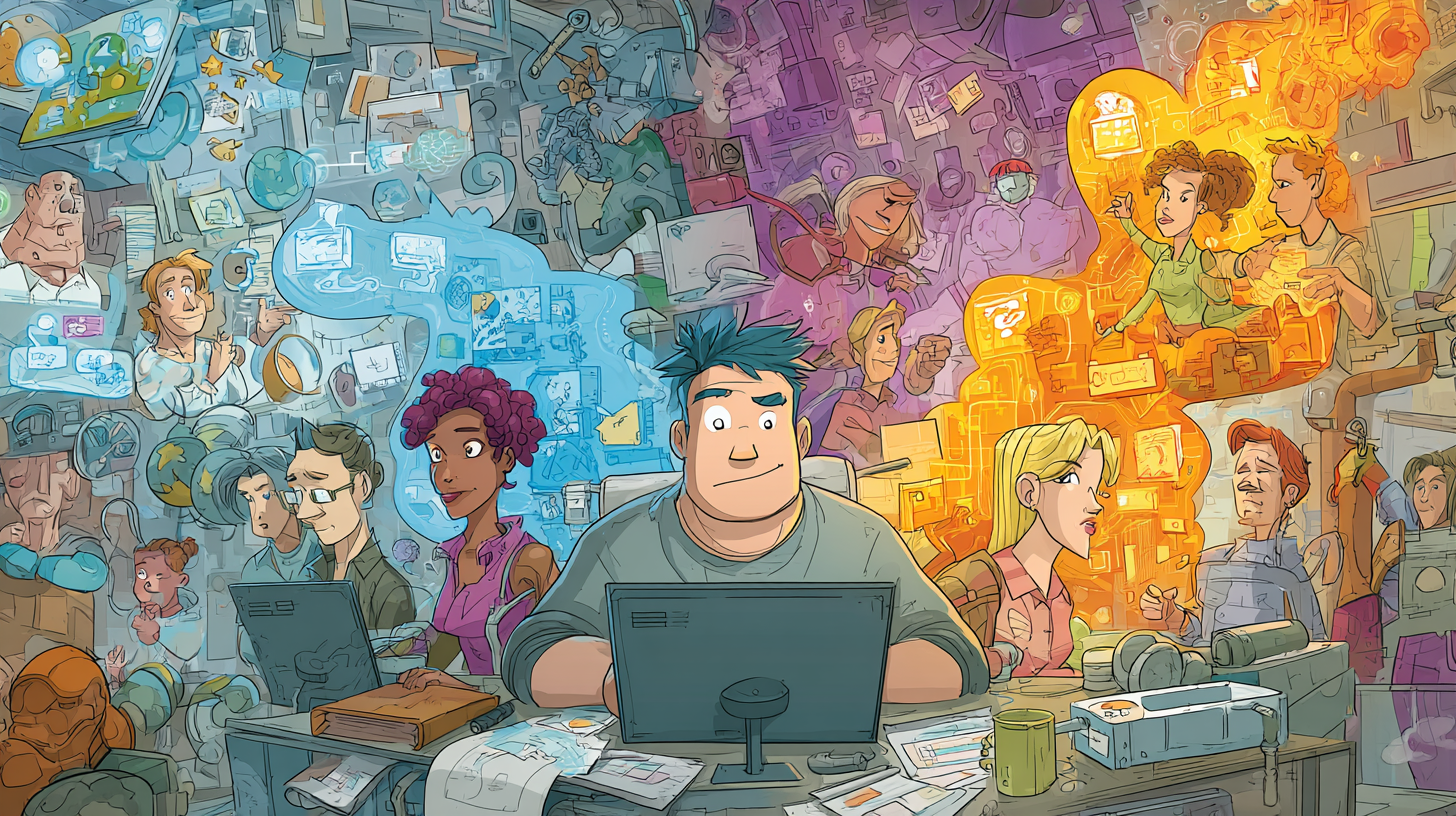
Agile: Continuous Collaboration, Iterative Discovery, Higher Ongoing Effort
Agile breaks work into sprints. It expects the solution to evolve through collaboration, testing, and learning, not upfront perfection.
How the Model Works
- Requirements emerge and evolve sprint by sprint.
- Design and development happen in parallel.
- Changes, iterations, and refinements are welcomed at any stage.
Regular demos, sprint reviews, and backlog grooming sessions keep work aligned.
Client Level of Effort in Agile
Client involvement is ongoing, rhythmic, and hands-on.
Typical client responsibilities include:
- Weekly or biweekly sprint reviews: approving completed work frequently.
- Active prioritization: deciding what’s most valuable for the next sprint.
- Frequent availability for questions: because decisions can’t be delayed.
- Iterative feedback: small pieces delivered often, requiring quick turnaround.
- Co-ownership of the backlog: clarity on what gets done next.
What Clients Like About Agile
- Flexibility to evolve the product during the build.
- Ability to pivot based on insight, testing, or market shifts.
- Early visibility into work, no “big reveal” surprises.
- Shared problem-solving with the agency.
Where Agile Creates Pain
- Higher weekly time commitment.
- Decision fatigue if the client isn’t organized or decisive.
- Harder to estimate the final timeline or cost without disciplined scope control.
Requires strong internal stakeholders who can keep up with the pace.
The Real Question for Clients: What Type of Partner Do You Want to Be?
The choice isn’t just about project methodology, it’s about how much collaboration and decision-making a client wants to own.
Choose Waterfall if your client:
- Prefers upfront certainty.
- Wants minimal weekly involvement.
- Has well-defined requirements and a clear vision.
- Has limited ability to attend weekly touchpoints.
Choose Agile if your client:
- Believes the vision will evolve during the build.
- Wants to test and learn their way to the best outcome.
- Has time to participate in regular reviews and decisions.
- Values flexibility over rigid predictability.
The Framework Should Match the Client’s Capacity and Culture
The biggest mistake agencies make isn’t choosing the wrong methodology, it’s choosing the wrong methodology for the client’s ability to show up.
- A Waterfall client with an Agile project becomes overwhelmed and slows the team.
- An Agile client with a Waterfall project ends up frustrated by rigidity.
- The best approach is often hybrid, but only if expectations are set clearly from day one.
When you align the framework with the client's bandwidth, the project becomes smoother, faster, and far more successful. When you don’t, even the best team in the world will feel stuck.