

In the digital world, two project delivery frameworks dominate most conversations, Waterfall and Agile. Both can deliver effectively, functional websites, apps, or digital platforms and systems. But the reality for agencies is that they ask very different things of the client. Understanding those differences isn’t just a project-management exercise, it’s a predictor of how smooth (or painful) a project is going to feel.
Below is a breakdown of how each system works and what that means for the client’s time, attention, decision-making, and overall involvement.
Waterfall is linear, structured, and sequential. It moves step-by-step:
Discovery → Requirements → Design → Build → QA → Launch
Each phase must be fully signed off before the next begins.
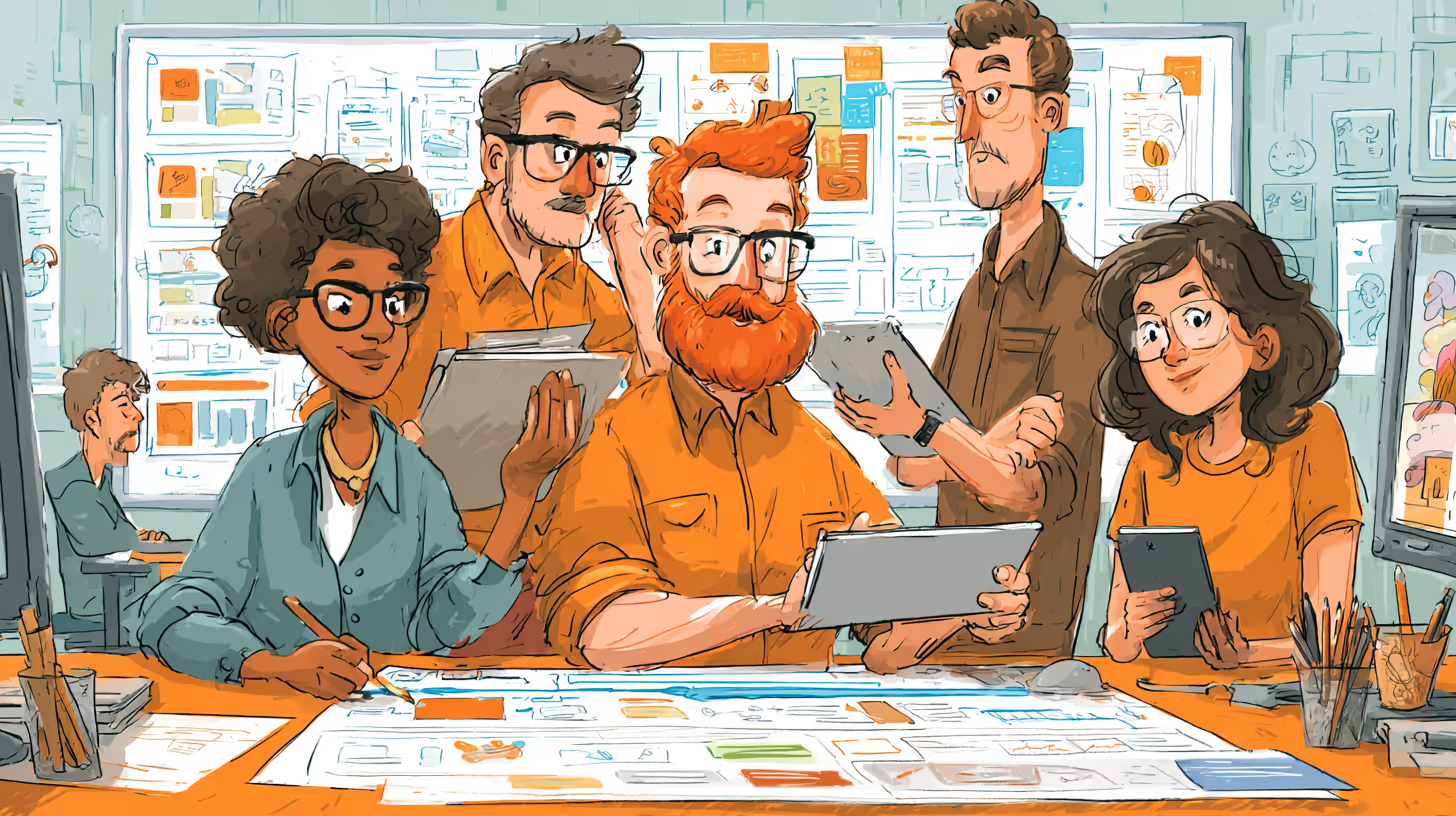
Most of the client’s work is concentrated at the beginning.
This model demands heavier lift upfront, lighter involvement after.
Client responsibilities are typically:
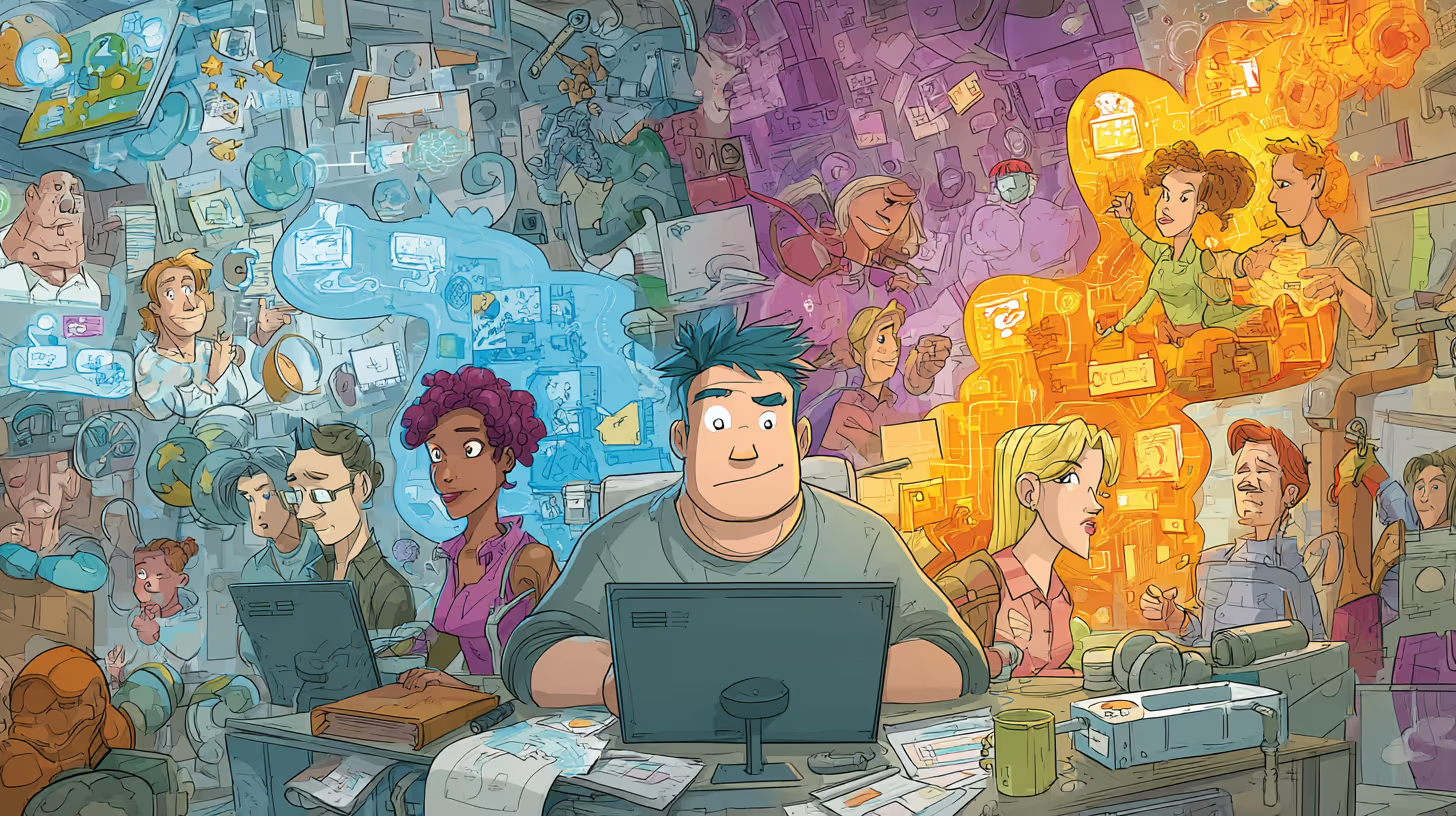
Agile breaks work into sprints. It expects the solution to evolve through collaboration, testing, and learning, not upfront perfection.
Regular demos, sprint reviews, and backlog grooming sessions keep work aligned.
Client involvement is ongoing, rhythmic, and hands-on.
Typical client responsibilities include:
Requires strong internal stakeholders who can keep up with the pace.
The choice isn’t just about project methodology, it’s about how much collaboration and decision-making a client wants to own.
The biggest mistake agencies make isn’t choosing the wrong methodology, it’s choosing the wrong methodology for the client’s ability to show up.
When you align the framework with the client's bandwidth, the project becomes smoother, faster, and far more successful. When you don’t, even the best team in the world will feel stuck.